

Embark on a journey to discover the importance of siding maintenance services and how they can enhance the durability and aesthetics of your property. From common issues to specialized maintenance, this guide covers it all.
Importance of Siding Maintenance Services
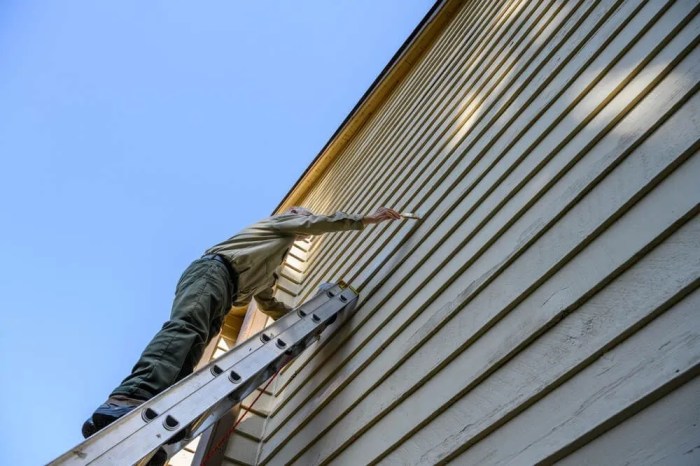
Regular siding maintenance plays a crucial role in preserving the aesthetic appeal and structural integrity of a property. By addressing issues promptly and keeping the siding in good condition, homeowners can prevent costly repairs and potential damage in the long run.
Extending the Lifespan of a Property
Proper siding maintenance can significantly extend the lifespan of a property. When siding is well-maintained, it acts as a protective barrier against harsh weather conditions, moisture, pests, and other external elements. This helps in preserving the structural integrity of the property and avoiding premature deterioration.
- Regular cleaning and inspections can prevent mold and mildew growth, which can cause damage to the siding material and affect indoor air quality.
- Timely repairs of cracks, gaps, or loose siding panels can prevent water infiltration, which can lead to rot, decay, and structural damage.
- Ensuring proper ventilation behind the siding can prevent moisture buildup and reduce the risk of mold, mildew, and wood decay.
Common Issues from Neglected Siding
When siding is not properly maintained, several issues can arise, impacting both the appearance and functionality of the property. Some common problems include:
- Cracking or warping of siding panels due to prolonged exposure to the elements.
- Mold and mildew growth, leading to discoloration and potential health hazards.
- Rot and decay of underlying wood structures, compromising the structural integrity of the property.
- Pest infestations, as damaged or deteriorating siding can provide entry points for insects and rodents.
Types of Siding Maintenance Services
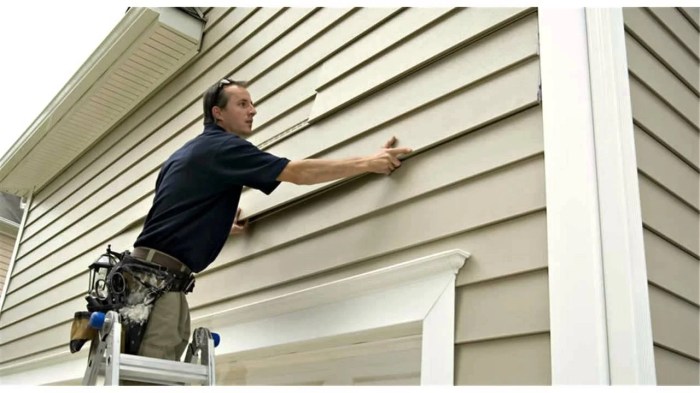
Maintaining different types of siding materials is essential to ensure the longevity and aesthetic appeal of your property. Let's explore the various types of siding materials that require specific maintenance tasks.
Vinyl Siding
- Regular cleaning with a mixture of water and mild detergent to remove dirt and grime.
- Inspecting for any cracks, holes, or loose panels that may need repair or replacement.
- Applying a fresh coat of paint or protective finish to prevent fading or discoloration.
Wood Siding
- Annual inspection for signs of rot, mold, or insect infestation.
- Reapplying a protective sealant or stain to maintain the wood's integrity and color.
- Replacing any damaged or warped wood panels to prevent further deterioration.
Fiber Cement Siding
- Cleaning with a soft brush or low-pressure water to remove dirt and debris.
- Inspecting for any cracks, chips, or peeling paint that may need repair.
- Recaulking joints and seams to maintain weatherproofing and insulation.
Brick Siding
- Pressure washing to remove dirt, moss, or algae buildup on the surface.
- Repairing any mortar joints that may be deteriorating or crumbling.
- Sealing the brick surface to protect against moisture and prevent efflorescence.
Stone Siding
- Gently cleaning with a soft brush and water to avoid damaging the stone surface.
- Inspecting for any loose or chipped stones that may need to be resecured.
- Repointing mortar joints to prevent water infiltration and maintain structural integrity.
DIY Siding Maintenance Tips

When it comes to maintaining the siding of your home, there are some key DIY tips to keep in mind. By regularly inspecting, cleaning, and maintaining your siding, you can help extend its lifespan and keep your home looking its best.
Inspecting Siding for Damage
Before starting any maintenance work on your siding, it's important to thoroughly inspect it for any signs of damage. Here are some step-by-step instructions for inspecting your siding:
- Walk around your home and visually inspect the siding for any cracks, holes, or warping.
- Gently press on the siding to check for any soft spots, which could indicate water damage.
- Look for any signs of mold, mildew, or discoloration on the surface of the siding.
- Check for any loose or missing pieces of siding that may need to be replaced.
Common Tools for Basic Siding Maintenance
Having the right tools for the job can make maintaining your siding much easier. Here are some common tools you may need for basic siding maintenance:
- Pressure washer or garden hose for cleaning
- Mild detergent or siding cleaner
- Soft bristle brush or sponge for scrubbing
- Caulk and caulk gun for sealing any gaps or cracks
- Paint or touch-up paint for repairing any damaged areas
Best Practices for Cleaning and Maintaining Siding
Keeping your siding clean and well-maintained is essential for preserving its appearance and functionality. Here are some best practices for cleaning and maintaining your siding on a homeowner level:
- Regularly clean your siding with a gentle detergent and water mixture to remove dirt, grime, and mold.
- Avoid using harsh chemicals or abrasive materials that could damage the siding surface.
- Inspect and repair any damaged areas promptly to prevent further issues.
- Trim back any trees or bushes that may be touching or rubbing against the siding to prevent damage.
- Consider applying a protective sealant or coating to help prolong the life of your siding.
Professional Siding Maintenance Services
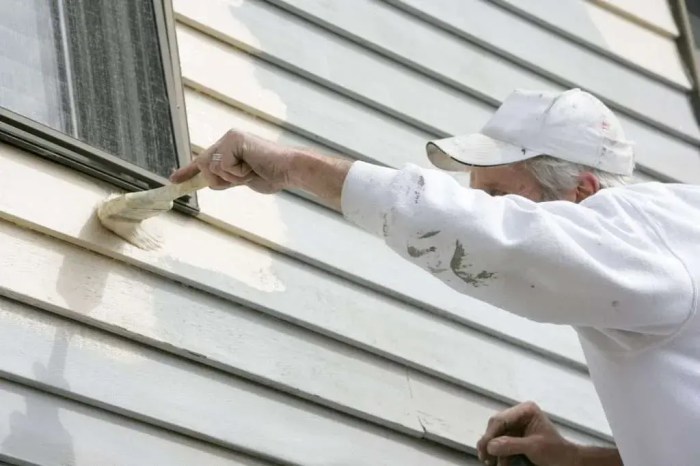
When it comes to maintaining the siding of your home, hiring professionals can offer numerous benefits compared to attempting a DIY approach. Professional siding maintenance services ensure a thorough and expert inspection of your siding, timely repairs, and the use of specialized equipment and materials for optimal results.
Benefits of Hiring Professionals vs DIY Maintenance
Choosing professional siding maintenance services over a DIY approach can save you time, effort, and potential costly mistakes. Professionals have the expertise to identify issues early on, preventing them from worsening and leading to more extensive repairs down the line.
Additionally, professional services often come with warranties or guarantees, providing you with peace of mind and assurance of quality work.
Selecting a Reputable Siding Maintenance Service Provider
When selecting a siding maintenance service provider, it is essential to research and choose a reputable company with a proven track record of delivering high-quality services. Look for certifications, licenses, and insurance to ensure the company meets industry standards and regulations.
Reading reviews and asking for referrals can also help you gauge the reputation and reliability of the service provider.
Cost Factors in Professional Siding Maintenance Services
The cost of professional siding maintenance services can vary depending on various factors such as the size of your home, the extent of repairs needed, the type of siding material, and the location of your property. While professional services may have a higher upfront cost compared to a DIY approach, the long-term benefits, quality of work, and potential savings from preventing major damages make it a worthwhile investment in the overall maintenance of your home.
Conclusion
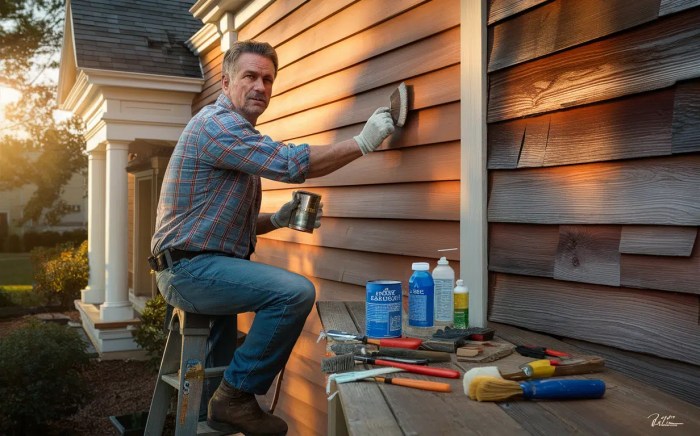
In conclusion, siding maintenance services are a crucial aspect of property upkeep. By investing in professional care or applying DIY tips, you can ensure your siding remains in top condition, prolonging the lifespan of your home.
FAQ Corner
How often should siding be inspected for damage?
Siding should ideally be inspected at least once a year, especially after extreme weather conditions.
What are some common tools needed for basic siding maintenance?
Some common tools include a pressure washer, soft-bristled brush, cleaning solution, and a ladder.
What are the benefits of hiring professionals for siding maintenance?
Professionals offer expertise, time-saving solutions, and ensure thorough maintenance that can prevent costly repairs.

