

Exploring the realm of energy saving exterior siding, this comprehensive guide delves into the benefits, types, installation process, and maintenance tips for achieving optimal energy efficiency in your property.
Benefits of Energy Saving Exterior Siding
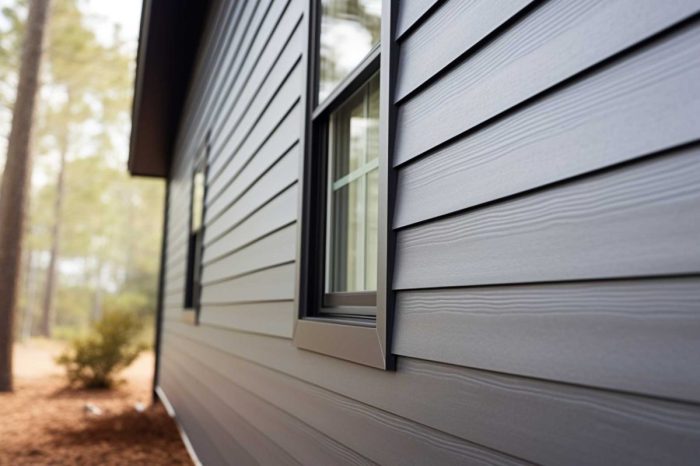
Energy-saving exterior siding offers a range of benefits that go beyond just enhancing the appearance of your home. Let's explore some of the key advantages:
Reduction in Heating and Cooling Costs
Energy-saving exterior siding acts as a barrier against heat loss in the winter and heat gain in the summer, helping to maintain a comfortable indoor temperature. This insulation property can lead to significant savings on your heating and cooling bills throughout the year.
Environmental Benefits
By using energy-efficient siding materials, you can reduce your carbon footprint and contribute to environmental sustainability. These materials are often made from recycled or sustainable sources, minimizing the impact on the environment and promoting eco-friendly practices.
Increase in Property Value
Investing in energy-saving exterior siding can enhance the overall value of your property. Buyers are increasingly looking for homes with energy-efficient features, and the installation of energy-saving siding can make your home more attractive to potential buyers, ultimately boosting its resale value.
Types of Energy Saving Exterior Siding
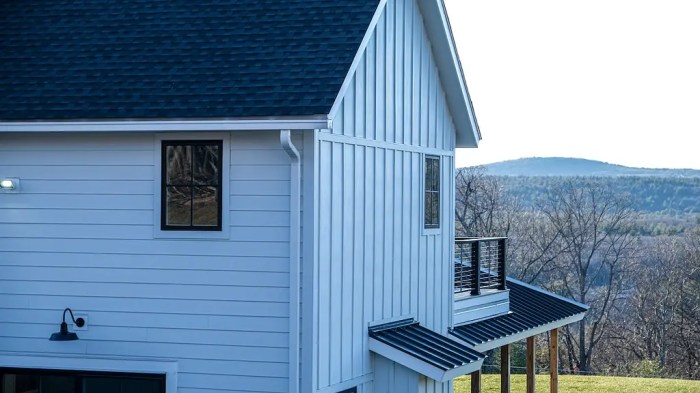
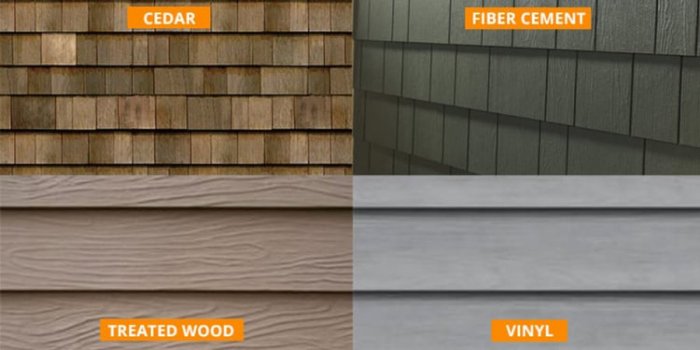
When it comes to energy-saving exterior siding, there are several types of materials available in the market that offer different levels of energy efficiency. Let's explore some popular options and their features.
Insulated Vinyl Siding
Insulated vinyl siding is a popular choice for energy-efficient siding. It consists of vinyl panels with a layer of insulation attached to the back. This insulation helps improve the thermal performance of the home, reducing heat loss in the winter and heat gain in the summer.
Insulated vinyl siding can also help lower energy bills by reducing the need for heating and cooling.
Fiber Cement Siding
Fiber cement siding is another energy-saving option known for its durability and low maintenance requirements. This type of siding is made from a mixture of cement, sand, and cellulose fibers, making it resistant to rot, fire, and pests. Fiber cement siding is also a good insulator, helping to regulate indoor temperatures and reduce energy consumption.
Engineered Wood Siding
Engineered wood siding is a sustainable and energy-efficient option that mimics the look of traditional wood siding without the maintenance issues. It is made from wood fibers and resin, offering good insulation properties and durability. Engineered wood siding is easy to install and requires minimal upkeep, making it a cost-effective choice for energy-conscious homeowners.
Installation Process for Energy Saving Exterior Siding
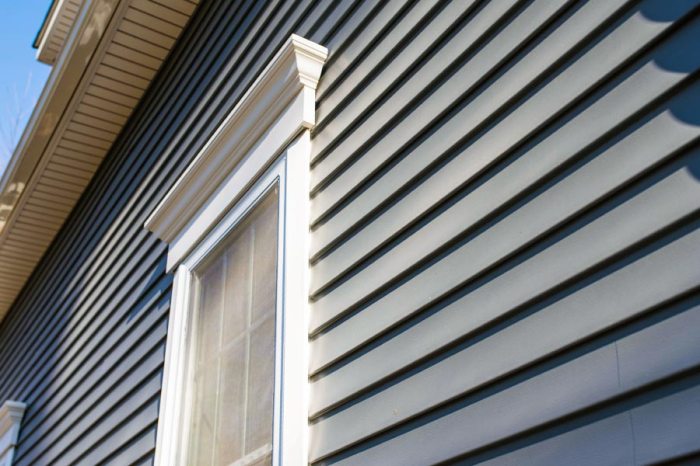
Installing energy-saving exterior siding is a great way to improve the energy efficiency of your home while also enhancing its curb appeal. Proper installation is crucial to ensure maximum energy savings and durability. Below is a step-by-step guide to help you install energy-efficient siding on your residential property.
Gather Necessary Tools and Materials
Before starting the installation process, make sure you have the following tools and materials ready:
- Vinyl or fiber cement siding panels
- Siding nails or screws
- Hammer or nail gun
- Tape measure
- Level
- Saw for cutting siding panels
- House wrap or insulation
- Corner pieces and trim
Prepare the Exterior Surface
- Clean the existing exterior surface and repair any damaged areas.
- Install house wrap or insulation to improve energy efficiency.
- Measure and cut siding panels to fit the dimensions of your walls.
Install the Siding
- Start from the bottom corner of your wall and work your way up.
- Secure the siding panels using nails or screws, ensuring they are level and properly aligned.
- Overlap the panels to prevent moisture infiltration.
- Install corner pieces and trim to give a finished look to the siding.
Seal and Finish
- Apply caulking around windows, doors, and corners to prevent air leaks.
- Paint or finish the siding according to the manufacturer's instructions.
- Inspect the installation for any gaps or loose panels and make necessary adjustments.
Tip: It's recommended to hire a professional contractor for the installation of energy-saving exterior siding if you're not comfortable with DIY projects.
Maintenance and Care of Energy Saving Exterior Siding
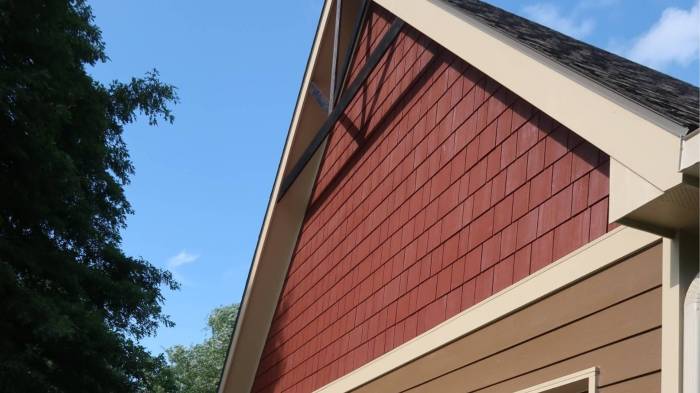
Proper maintenance is essential to ensure energy-saving exterior siding remains in top condition and continues to provide insulation and protection to your home.
Maintenance Schedule
It is recommended to inspect your energy-saving siding at least once a year to check for any damage, wear, or mold growth. Additionally, perform the following maintenance tasks:
- Regularly clean the siding with a gentle detergent and water to remove dirt and grime.
- Trim any vegetation or trees near the siding to prevent damage from branches or roots.
- Check for signs of water damage, such as rot or mold, and address them promptly.
- Inspect caulking and seals around windows and doors to ensure they are intact and in good condition.
Common Issues and Solutions
Common issues that may arise with energy-efficient siding include warping, fading, cracking, or mold growth. Here are some solutions to address these problems:
- Warping: Replace any warped siding boards to maintain the integrity of the insulation and protection.
- Fading: Consider repainting or applying a protective coating to restore the color and aesthetics of the siding.
- Cracking: Fill cracks with a suitable sealant to prevent water infiltration and further damage.
- Mold Growth: Clean moldy areas with a mixture of water and mildew cleaner, then rinse thoroughly.
Cleaning and Preservation Guide
To maintain the aesthetics of energy-saving exterior siding, follow these cleaning and preservation tips:
- Regularly wash the siding with a soft brush or cloth and a mild detergent to remove dirt and debris.
- Avoid using harsh chemicals or abrasive cleaners that can damage the siding's finish.
- Rinse the siding thoroughly with water after cleaning to prevent residue buildup.
- Inspect the siding for any signs of damage or wear and address them promptly to prevent further deterioration.
Last Point
In conclusion, energy saving exterior siding offers a myriad of advantages from cost savings to environmental benefits. By choosing the right type and ensuring proper installation and maintenance, you can enhance the energy efficiency of your home while increasing its value.
Q&A
How can energy-saving exterior siding reduce heating and cooling costs?
Energy-saving siding acts as a barrier, helping to regulate indoor temperatures and reduce the workload on heating and cooling systems.
What are the common types of energy-efficient siding materials?
Some popular options include insulated vinyl, fiber cement, and engineered wood siding, each offering unique energy-saving features.
What maintenance schedule should be followed for energy-saving exterior siding?
Regular cleaning and inspections are recommended to ensure the siding remains in top condition, along with addressing any issues promptly.

