

House siding replacement is a crucial aspect of home maintenance that not only enhances the aesthetic appeal of your property but also improves energy efficiency. From choosing the right materials to budget considerations, this comprehensive guide covers everything you need to know about revamping your home with new siding.
Importance of House Siding Replacement
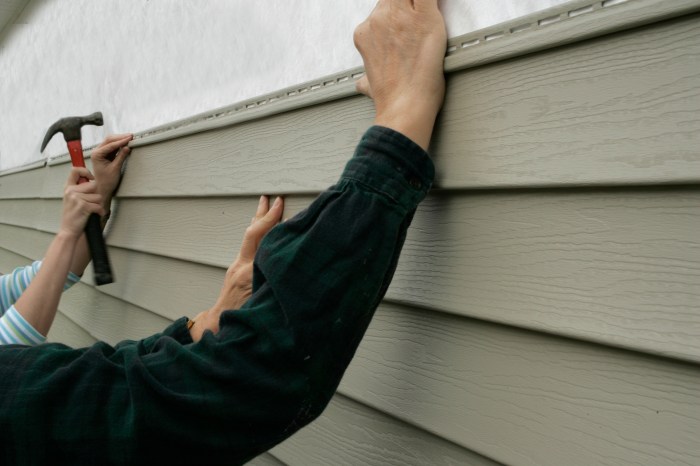
Replacing the siding of your house can bring a multitude of benefits that go beyond just aesthetics. It can improve energy efficiency, enhance curb appeal, and even increase the overall value of your home. Let's delve into the importance of house siding replacement in more detail.
Benefits of Replacing House Siding
- Improved Insulation: New siding can help better insulate your home, reducing energy costs and making your living space more comfortable.
- Enhanced Protection: Upgraded siding can provide better protection against the elements, such as wind, rain, and UV rays, extending the lifespan of your house.
- Low Maintenance: Certain siding materials require less maintenance, saving you time and money in the long run.
Impact on Energy Efficiency
- Reduced Energy Bills: Properly installed siding can prevent heat loss in the winter and keep your home cool in the summer, leading to lower energy bills.
- Eco-Friendly: Energy-efficient siding options contribute to a greener environment by reducing energy consumption and carbon footprint.
Enhancing Curb Appeal
- Increased Value: Fresh siding can significantly boost the curb appeal of your home, making it more attractive to potential buyers and increasing its resale value.
- Customization: With a variety of siding materials available, you can choose a style and color that complements your home's architecture and reflects your personal taste.
Siding Materials Suitable for Replacement
- Vinyl: Affordable, low-maintenance, and available in a wide range of colors.
- Fiber Cement: Durable, fire-resistant, and resistant to pests and rot.
- Wood: Traditional and natural look, but requires more maintenance to prevent weathering.
Signs That Indicate the Need for Replacement
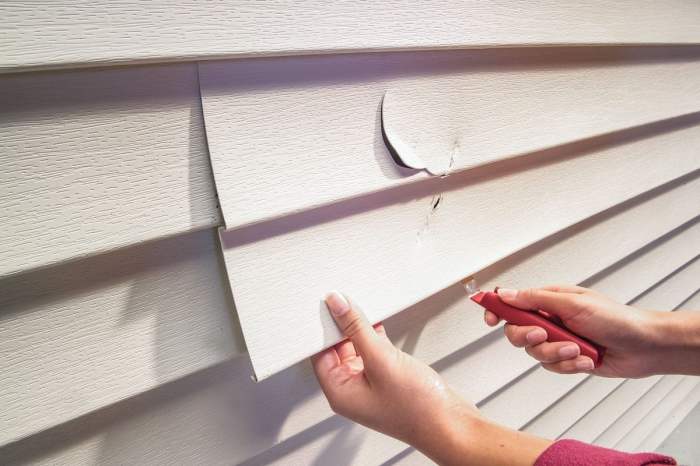
When it comes to house siding, there are clear signs that indicate when it's time for a replacement. Understanding these signs can help homeowners take proactive measures to maintain the integrity of their property.Weather conditions play a significant role in the lifespan of house siding.
Extreme heat, cold, rain, and snow can all take a toll on the material, causing it to deteriorate faster. Regular inspections are crucial in detecting any issues early on before they escalate into major problems.
Common Signs of Deteriorating House Siding
- Cracks or holes in the siding
- Peeling or blistering paint
- Warping or buckling of the siding panels
- Mold or mildew growth
- Fading or discoloration
Impact of Weather Conditions on Siding Lifespan
Weather conditions such as extreme heat, cold, rain, and snow can accelerate the deterioration of house siding. Constant exposure to these elements can cause the siding to warp, crack, or fade over time, leading to the need for replacement.
Importance of Regular Inspections
Regular inspections of house siding can help detect issues early on before they become major problems. By conducting routine checks, homeowners can identify areas of damage or wear and tear that may require immediate attention, preventing further deterioration.
Examples of Damage Requiring Immediate Replacement
- Severe cracks or holes compromising the integrity of the siding
- Extensive mold or mildew growth indicating moisture damage
- Significant warping or buckling of siding panels affecting the structural stability
Choosing the Right Siding Material
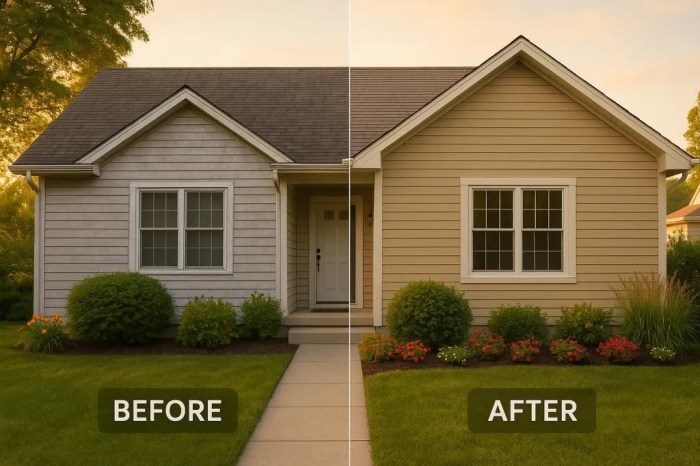
When it comes to selecting the right siding material for your house, there are several factors to consider. Each material has its own pros and cons, so it's essential to choose one that fits your needs and preferences.
Vinyl Siding
- One of the most popular choices due to its affordability and low maintenance requirements.
- Durable and available in a wide range of colors and styles.
- May fade over time and can crack in extreme weather conditions.
Wood Siding
- Offers a classic and natural look to your home.
- Requires more maintenance, such as painting or staining, to prevent rot and pests.
- Higher initial cost compared to vinyl but can add value to your property.
Fiber Cement Siding
- Resistant to fire, pests, and rot, making it a durable option.
- Low maintenance and available in various textures, resembling wood or stucco.
- Higher installation cost but long-term savings on maintenance and repairs.
Matching Siding Material with Architectural Style
When choosing a siding material, consider the architectural style of your home. For example, wood siding complements traditional or rustic designs, while fiber cement siding may suit modern or contemporary homes. It's essential to choose a material that not only enhances the aesthetics of your house but also provides the necessary protection and durability.
Cost Considerations and Budgeting
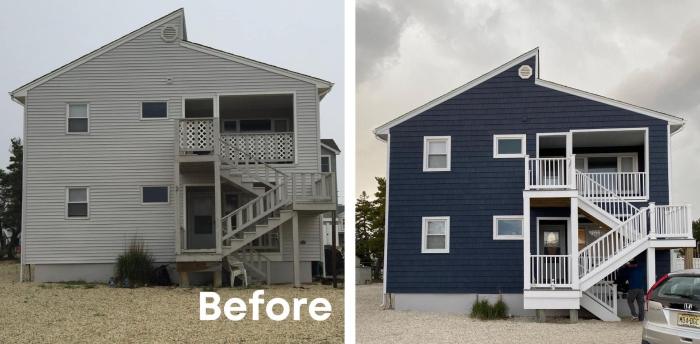
When it comes to house siding replacement, cost considerations and budgeting play a crucial role in the decision-making process. Understanding how various factors can impact the overall cost is essential for planning and ensuring a successful project.
Impact of House Size on Cost
The size of the house is a significant factor that can impact the cost of siding replacement. Larger homes will require more materials, which can increase the overall cost of the project. Additionally, more extensive homes may also require additional labor hours, further adding to the total expenses.
Additional Costs to Consider
- Labor: Hiring professionals to install the new siding can add to the total cost. Make sure to get multiple quotes from reputable contractors to compare prices.
- Removal of Old Siding: Removing the existing siding can also incur additional costs. Proper disposal of the old materials is essential for a clean and efficient replacement.
- Permits: Depending on your location, you may need permits for the siding replacement project. Check with your local authorities to understand the permit requirements and associated costs.
Tips for Budgeting and Cost Estimates
- Get Multiple Quotes: Reach out to different siding contractors to get detailed quotes for the project. Compare the prices, services offered, and materials used to make an informed decision.
- Set a Realistic Budget: Establish a budget based on your financial capabilities and the scope of the project. Be prepared for unexpected expenses by allocating a contingency fund.
- Consider Long-Term Value: While cost-effective options are important, prioritize quality and durability to ensure the new siding lasts for years to come.
Cost-Effective Siding Options
- Vinyl Siding: Vinyl is a popular choice for its affordability and low maintenance requirements. It comes in a variety of colors and styles, offering a cost-effective yet visually appealing option.
- Fiber Cement Siding: Known for its durability and resistance to elements, fiber cement siding is a cost-effective choice that mimics the look of wood or stucco without the high maintenance costs.
- Engineered Wood Siding: Engineered wood offers a more budget-friendly alternative to natural wood siding while providing a similar aesthetic appeal. It is easy to install and requires minimal upkeep.
Concluding Remarks
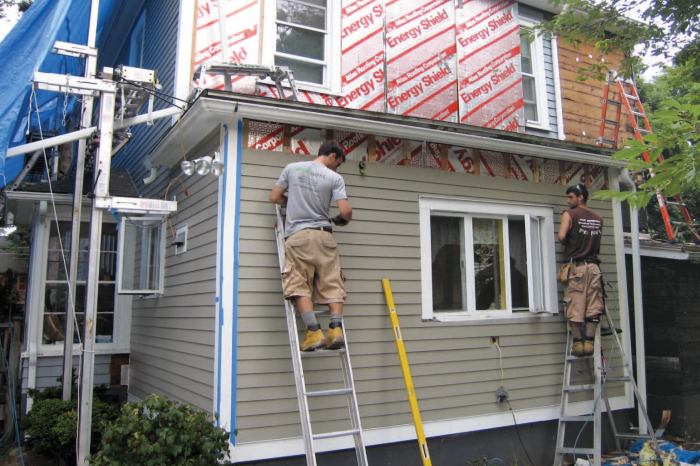
In conclusion, house siding replacement offers a myriad of benefits, from increased durability to elevated curb appeal. By understanding the signs that indicate the need for replacement, choosing the right siding material, and carefully planning your budget, you can transform your home into a stunning masterpiece that stands the test of time.
FAQ Corner
What are the benefits of replacing house siding?
Replacing house siding can improve energy efficiency, enhance curb appeal, and increase the overall value of your home.
How do weather conditions affect siding lifespan?
Extreme weather conditions like heavy rain or intense sunlight can deteriorate siding faster, shortening its lifespan.
What factors should be considered when selecting the best siding material?
Factors such as durability, maintenance requirements, cost, and architectural style compatibility should be considered when choosing siding material.
How can one budget accurately for house siding replacement?
Consider the size of your house, additional costs like labor and permits, and opt for cost-effective siding options to budget accurately for replacement.

