

Delving into the realm of cracked vinyl siding repair, this introductory passage invites readers with an informative and engaging overview of the topic at hand.
Exploring the reasons behind cracked vinyl siding and the significance of prompt repairs sets the stage for a deep dive into effective solutions.
Cracked Vinyl Siding Repair
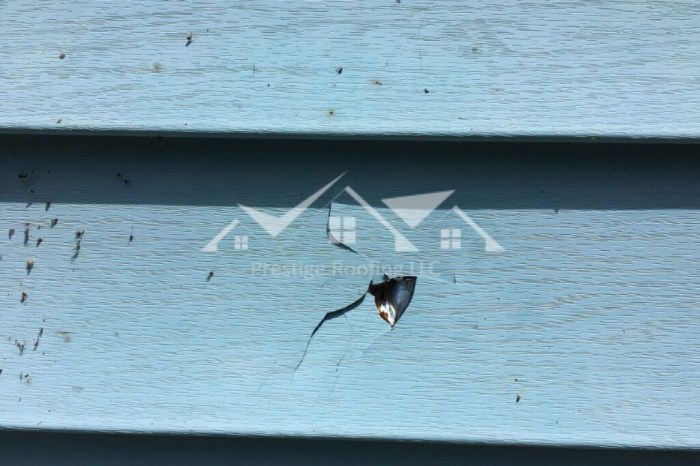
Cracked vinyl siding repair refers to the process of fixing cracks or damage on the exterior vinyl panels of a building. This repair is essential to maintain the aesthetic appeal and structural integrity of the property.
There are several common causes of cracked vinyl siding, including extreme weather conditions such as hail, strong winds, or freeze-thaw cycles. Other factors like impact from debris, improper installation, or age-related wear and tear can also lead to cracks in the siding.
Importance of Timely Repair
- Prevents further damage: Repairing cracked vinyl siding promptly can prevent water infiltration, mold growth, and structural issues that may arise if the damage is left unaddressed.
- Enhances curb appeal: Timely repair of cracked siding helps maintain the visual appeal of the property, ensuring it looks well-maintained and attractive.
- Preserves property value: By keeping the exterior in good condition, repairing cracked vinyl siding can help preserve the value of the property and even increase its resale value.
- Cost-effective solution: Addressing cracks early on can prevent the need for more extensive and costly repairs in the future, saving money in the long run.
Inspection and Assessment
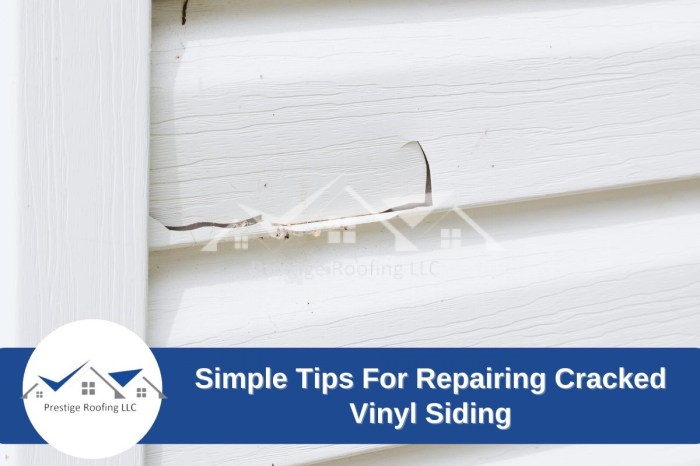
Inspecting cracked vinyl siding is crucial to determining the extent of the damage and planning for effective repairs. A thorough assessment helps in identifying the underlying issues and ensuring that the repair work is done correctly.
How to Inspect Cracked Vinyl Siding
- Start by visually inspecting the exterior of your home for any visible cracks or damage to the vinyl siding.
- Check for areas where the siding may be warped, discolored, or pulling away from the wall.
- Gently tap on the siding to listen for hollow sounds, which could indicate areas of damage.
- Look for signs of moisture or mold growth, as these can be indicators of water infiltration behind the siding.
Signs of Damage
- Cracks in the vinyl siding
- Warped or buckled sections
- Loose or missing pieces
- Fading or discoloration
- Mold or mildew growth
The Importance of a Thorough Assessment Before Repair
Before starting any repair work on cracked vinyl siding, it is essential to conduct a comprehensive assessment to understand the extent of the damage. This assessment will help in determining the best approach for repairs, whether it involves patching up small cracks or replacing entire sections of siding.
By identifying all the issues upfront, you can ensure that the repair work is done effectively and prevent future problems from arising.
Repair Methods
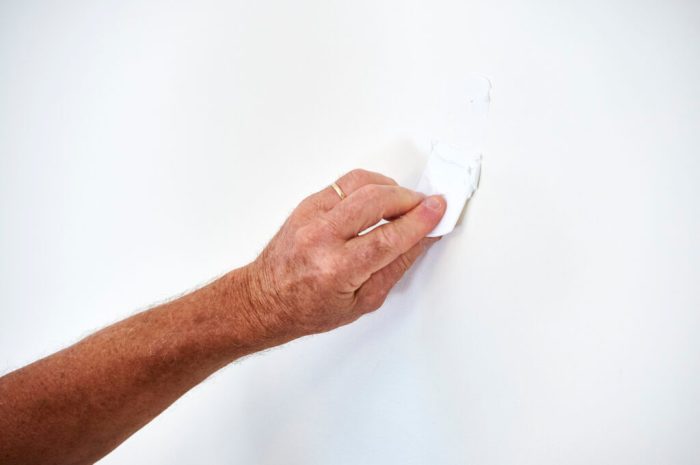
When it comes to repairing cracked vinyl siding, there are a few different methods that can be used depending on the extent of the damage. Patch kits and replacing damaged siding panels are two common approaches to fixing cracked vinyl siding.
Using Patch Kits
Patch kits are a convenient and cost-effective solution for repairing small cracks and holes in vinyl siding. These kits typically include vinyl patches that can be cut to size and adhered to the damaged area using a special adhesive. To use a patch kit, simply clean the damaged area, cut the patch to fit over the crack, and apply the adhesive according to the manufacturer's instructions.
Once the patch is in place, it should blend in seamlessly with the rest of the siding.
Replacing Damaged Siding Panels
For more extensive damage, such as large cracks or holes, it may be necessary to replace the entire siding panel. To replace a damaged panel, start by removing the damaged section of siding using a zip tool or pry bar.
Once the damaged panel is removed, measure and cut a new panel to fit the space. Slide the new panel into place, making sure it is level and secure. Finally, nail the new panel into place and seal the seams with caulk to prevent moisture from seeping in.
Tools and Materials
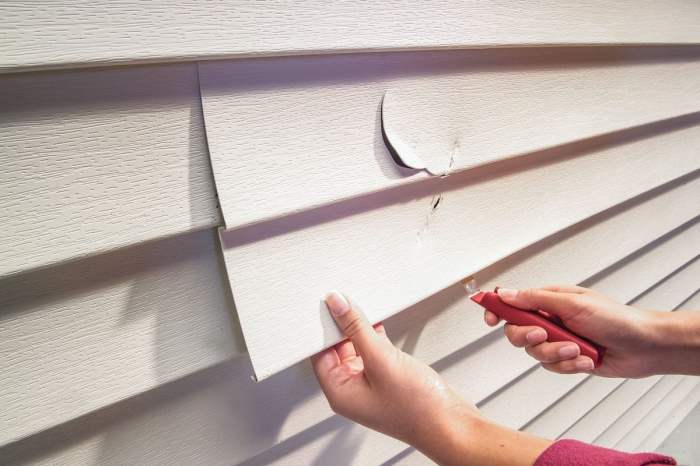
When it comes to repairing cracked vinyl siding, having the right tools and materials is essential for a successful repair. Using high-quality materials can ensure the longevity and effectiveness of the repair, ultimately saving you time and money in the long run.
Essential Tools
- Caulk gun
- Utility knife
- Hammer
- Level
- Tape measure
- Siding removal tool
Materials Required
- Matching vinyl siding panels
- Exterior caulk
- Nails
- Siding clips
- Underlayment
Importance of Using High-Quality Materials
Using high-quality materials for cracked vinyl siding repair is crucial to ensure a durable and long-lasting solution. Inferior materials may not withstand the elements or the test of time, leading to the need for frequent repairs or replacements. Investing in high-quality materials upfront can save you money in the long term and provide peace of mind knowing that your repair will last.
DIY vs. Professional Repair
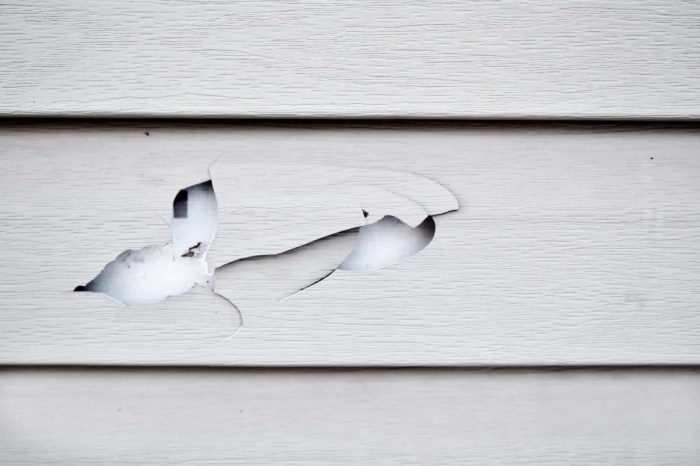
When it comes to repairing cracked vinyl siding, homeowners are often faced with the decision of whether to tackle the repair themselves or hire a professional. Each approach has its own set of advantages and disadvantages, so it's important to weigh your options carefully.DIY repair can be a cost-effective solution for those who are handy around the house and have the necessary tools and materials.
It allows homeowners to save money on labor costs and gives them a sense of accomplishment. However, DIY repairs can be time-consuming and may require a certain level of skill and expertise. Inexperienced individuals may make mistakes that could lead to further damage or the need for professional intervention.On the other hand, hiring a professional for cracked vinyl siding repair ensures that the job is done correctly and efficiently.
Professionals have the knowledge, skills, and experience to assess the damage accurately and recommend the best repair methods. They also have access to specialized tools and materials that may not be readily available to homeowners. While professional repair may come at a higher cost, it can save time and prevent costly mistakes in the long run.
When to Hire a Professional
If the damage to your vinyl siding is extensive or if you're unsure about the best repair approach, it's best to hire a professional. They can conduct a thorough inspection and assessment of the damage, provide expert recommendations, and ensure that the repair is done correctly.
Tips for Choosing the Right Repair Approach
- Assess your own skills and comfort level with DIY projects before deciding to tackle the repair yourself.
- Consider the extent of the damage and whether it requires specialized tools or materials that you may not have access to.
- Get multiple quotes from professional contractors to compare costs and services before making a decision.
- Ask for recommendations from friends, family, or neighbors who have had similar repairs done in the past.
- Check the credentials and reviews of potential contractors to ensure they are reputable and experienced in vinyl siding repair.
Preventive Measures
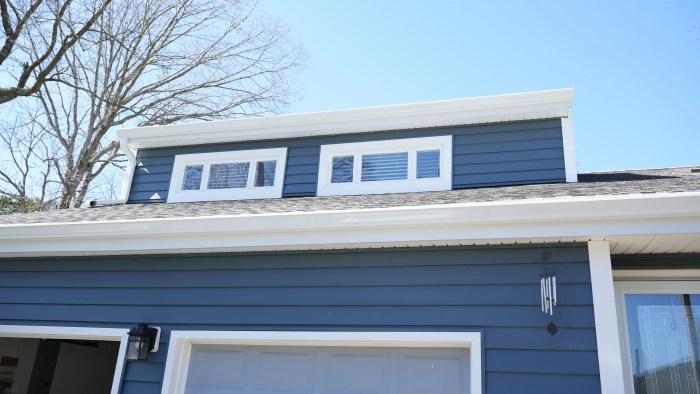
To prevent vinyl siding from cracking, it is important to implement proper maintenance practices and regular inspections. By taking proactive measures, you can prolong the lifespan of your siding and avoid costly repairs in the future.
Regular Inspections
Regularly inspect your vinyl siding for any signs of damage, such as cracks or warping. Look out for areas that are exposed to harsh weather conditions or direct sunlight, as these areas are more prone to cracking. By catching issues early, you can address them before they worsen.
Cleaning and Maintenance
Keep your vinyl siding clean by regularly washing it with a mild detergent and water. Avoid using harsh chemicals or abrasive materials, as these can damage the siding. Additionally, trim any trees or bushes near the siding to prevent scratches or impact damage.
Temperature Control
Extreme temperature fluctuations can cause vinyl siding to expand and contract, leading to cracks. Ensure proper insulation in your home to regulate indoor temperatures and minimize stress on the siding. This can help prevent cracking due to temperature changes.
Avoiding Impact Damage
Be mindful of activities around your home that could potentially damage the siding, such as playing sports or using power tools nearby. By being cautious and avoiding impact damage, you can prevent unnecessary cracks and dents in your vinyl siding.
Conclusive Thoughts
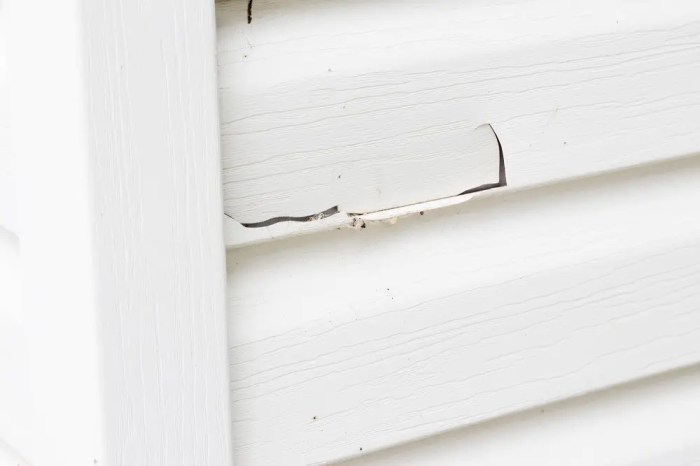
Concluding our discussion on cracked vinyl siding repair, we've covered essential aspects from inspection to preventive measures, ensuring your siding remains in top condition for years to come.
Helpful Answers
What are the common causes of cracked vinyl siding?
Cracked vinyl siding can result from extreme weather conditions, age, impact damage, or poor installation.
Is it necessary to inspect cracked vinyl siding before repair?
Yes, a thorough inspection helps identify the extent of damage and allows for proper planning of repairs.
When should I consider hiring a professional for cracked vinyl siding repair?
If the damage is extensive or if you're unsure about the repair process, it's best to seek professional assistance.

