

When it comes to loose vinyl siding repair, understanding the ins and outs is crucial. From identifying the causes to mastering the repair techniques, this guide will take you through all you need to know in a detailed yet engaging manner.
Exploring the tools, materials, preparation steps, repair techniques, and maintenance tips, this guide is your go-to resource for all things related to loose vinyl siding repair.
Understanding Loose Vinyl Siding Repair
Loose vinyl siding refers to sections of vinyl siding on a home's exterior that have become detached or are no longer firmly secured to the wall. This issue can not only affect the aesthetic appeal of the house but also lead to potential water damage and energy inefficiency.
Common Causes of Loose Vinyl Siding
- Poor installation: Improper installation techniques can result in vinyl siding becoming loose over time.
- Age and wear: As vinyl siding ages, it can become brittle and more prone to coming loose, especially in areas exposed to harsh weather conditions.
- Impact damage: Accidental impacts from objects like tree branches or ladders can cause vinyl siding to loosen or crack.
- Foundation settling: Changes in the foundation of a home can cause the siding to shift and become loose.
Identifying the root cause of loose vinyl siding is crucial in determining the most effective repair method. Timely repair is essential to prevent further damage to the siding and to maintain the integrity of the home's exterior.
Tools and Materials Required
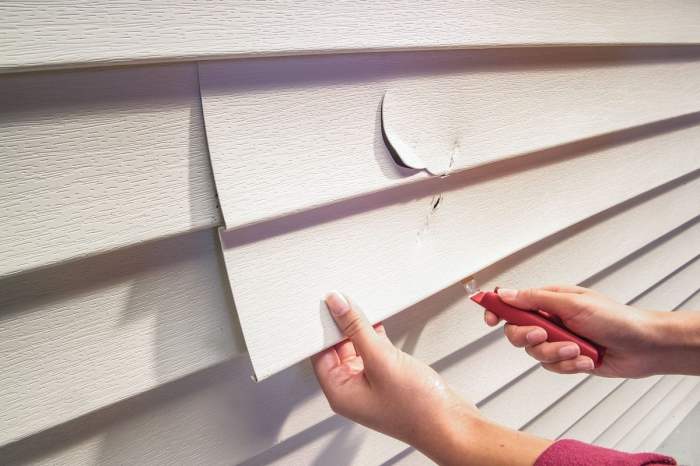
To successfully repair loose vinyl siding, you will need a few essential tools and materials. These items are crucial for ensuring a proper and lasting repair.
Tools Needed:
- Siding removal tool or zip tool
- Hammer
- Level
- Tape measure
- Caulk gun
- Utility knife
- Ladder
- Screws or nails
Materials Required:
- Replacement siding panels
- Vinyl siding nails or screws
- Caulk or adhesive
- Paint (if necessary)
- Backer rod (if dealing with gaps)
It is essential to source these tools and materials from reputable hardware or home improvement stores. You can also consider checking online retailers for a wide selection and convenient delivery options.
Preparation for Repair
Before starting the repair of loose vinyl siding, it is crucial to properly prepare the work area to ensure a safe and effective repair process.To prepare the work area:
Accessing the Loose Vinyl Siding Safely
- Carefully inspect the area around the loose siding to identify any potential hazards such as loose debris, sharp objects, or unstable surfaces.
- Use a sturdy ladder or scaffolding to safely reach the height where the loose vinyl siding is located.
- Make sure the ladder is on a stable and level surface before climbing up to access the siding.
- Wear appropriate safety gear such as gloves, eye protection, and closed-toe shoes to prevent injuries during the repair process.
Safety Precautions
- Before starting any repair work, ensure that the weather conditions are suitable for outdoor repairs. Avoid working in extreme heat, rain, or strong winds.
- Turn off any electrical power sources near the work area to prevent accidents while handling tools or equipment.
- Be cautious when handling sharp tools such as utility knives or hammers to avoid accidental cuts or injuries.
- Always work with a partner or have someone nearby to assist in case of emergencies.
By following these preparation steps and safety precautions, you can ensure a smooth and safe repair process for loose vinyl siding.
Repair Techniques
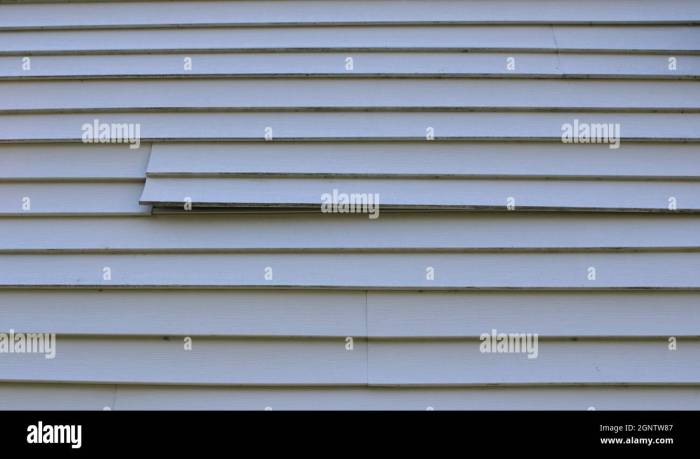
When it comes to repairing loose vinyl siding, there are several techniques you can use to secure the siding back in place. Whether you choose to tackle the repair yourself or hire a professional, it's essential to understand the various methods available to ensure a successful repair.
Methods of Repair
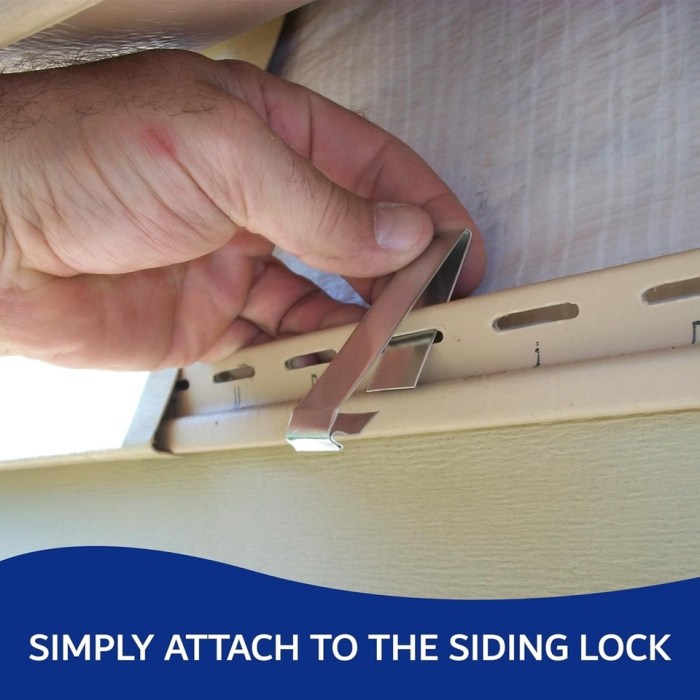
- Using zip tool: One common method involves using a zip tool to unlock the overlapping panels of siding. This tool helps release the siding from the channel, allowing you to reposition it properly.
- Adding new nails: Another technique is to add new nails to secure the loose siding. By carefully lifting the overlapping panel and inserting nails at the appropriate angle, you can effectively reattach the siding to the wall.
- Applying adhesive: In some cases, using a strong adhesive can help secure the siding back in place. Be sure to choose an adhesive specifically designed for vinyl siding to ensure a durable repair.
Securing Loose Siding
- Start by identifying the loose section of siding and determining the cause of the issue, such as missing nails or damaged panels.
- Use a zip tool or pry bar to gently lift the overlapping panel of siding and expose the underlying nails or fasteners.
- If nails are missing or loose, carefully drive new nails through the existing holes or create new holes for additional support.
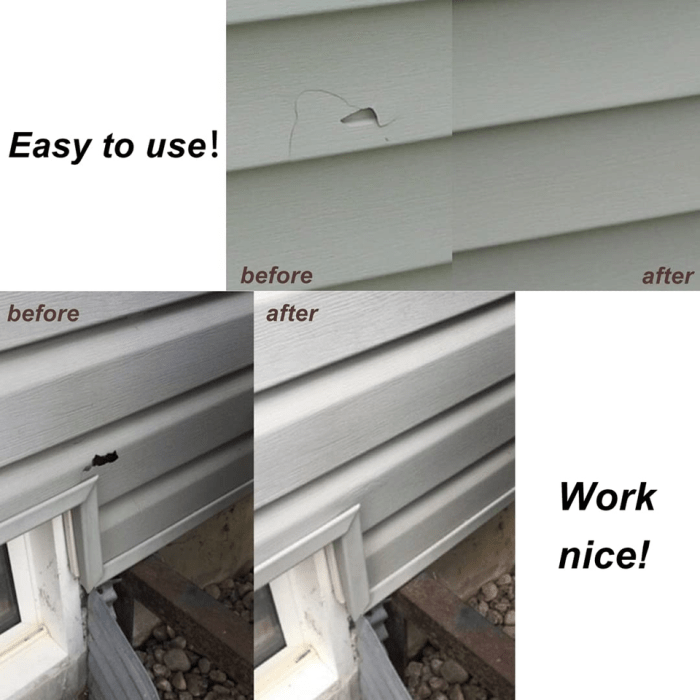
- If the siding is damaged, consider replacing the affected panels before securing them back in place.
- Once the siding is repositioned correctly, use a hammer or mallet to ensure a snug fit and secure the panels in place.
DIY vs. Professional Repair
- DIY Repairs: Opting for a DIY repair can be cost-effective and empowering, allowing you to take control of the repair process. However, it requires time, effort, and the right tools to ensure a successful outcome.
- Professional Repairs: Hiring a professional for loose vinyl siding repair can provide peace of mind and guarantee a high-quality result. Professionals have the experience, tools, and expertise to efficiently address the issue and prevent future problems.
Maintenance Tips
Regular maintenance is key to ensuring your vinyl siding remains in good condition for years to come. By following these maintenance tips, you can prevent future issues and keep your siding secure.
Inspecting the Siding
Regularly inspecting your vinyl siding is crucial to catch any potential problems early on. Here are some tips on how to inspect your siding effectively:
- Walk around your home and visually inspect the siding for any cracks, gaps, or loose panels.
- Check for signs of mold, mildew, or discoloration, which could indicate moisture issues.
- Look for any warping or buckling of the siding, as this could be a sign of underlying problems.
Cleaning and Maintenance Schedule
Creating a cleaning and maintenance schedule can help you stay on top of caring for your vinyl siding. Here are some tips to design a maintenance schedule:
- Plan to clean your siding at least once a year with a gentle detergent and a soft brush or cloth.
- Trim any overgrown vegetation near the siding to prevent damage and mold growth.
- Inspect and clean your gutters regularly to prevent water from seeping behind the siding.
Preventive Measures
Taking preventive measures can go a long way in avoiding future issues with your vinyl siding. Here are some tips to prevent problems:
- Secure loose panels promptly to prevent further damage.
- Address any mold or mildew growth immediately to prevent spreading.
- Consider installing a vapor barrier behind the siding to protect against moisture.
End of Discussion
In conclusion, keeping your vinyl siding in top shape is essential for maintaining your home's exterior. By following the tips and techniques Artikeld in this guide, you'll be well-equipped to tackle any issues that may arise with confidence.
FAQ Summary
What are the common causes of loose vinyl siding?
Common causes include improper installation, extreme weather conditions, and age-related wear and tear.
Is it possible to repair loose vinyl siding on my own?
Yes, DIY repairs are possible with the right tools and materials. However, hiring a professional may ensure a more secure and long-lasting repair.
How often should I inspect my vinyl siding for potential issues?
Regular inspections every six months are recommended to catch any problems early on and prevent further damage.

