

Diving into the realm of insulated vinyl siding installation, this introduction sets the stage for a comprehensive exploration of the topic. From defining the concept to discussing its practical benefits, readers are invited to embark on a journey of knowledge and insight.
As we delve deeper, we will unravel the intricacies of preparing for installation, understanding the process itself, and uncovering valuable tips for a successful outcome.
Introduction to Insulated Vinyl Siding
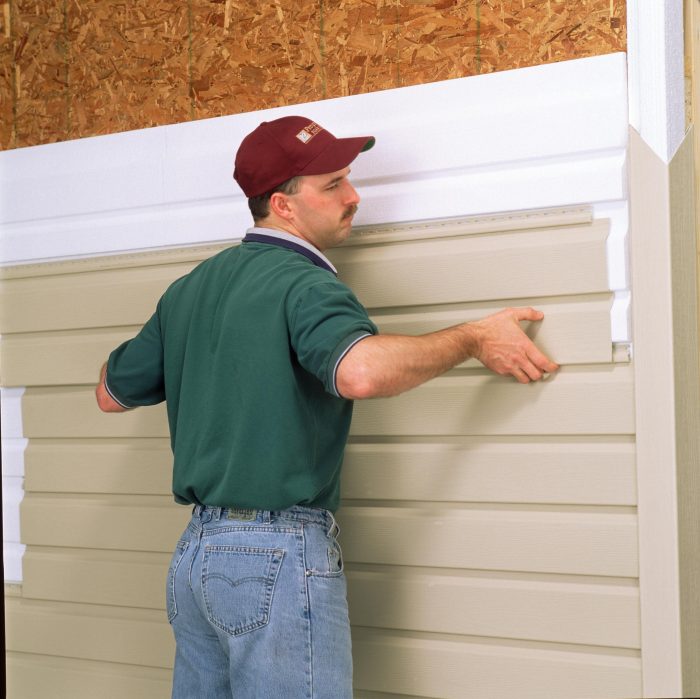
Insulated vinyl siding is a type of exterior cladding material that includes a layer of insulation to improve the energy efficiency of a home. This type of siding offers various benefits such as increased durability, improved thermal performance, and reduced maintenance requirements.
Homeowners often choose insulated vinyl siding due to its cost-effectiveness, versatility, and aesthetic appeal. Additionally, the insulation helps regulate indoor temperatures, leading to lower energy bills and a more comfortable living space.
Types of Insulated Vinyl Siding
- Rigid Foam Backed: This type of insulated vinyl siding features a layer of rigid foam insulation attached to the back of the siding panels. It provides excellent thermal resistance and can help reduce energy costs.
- Foam Injection: Foam injection insulated vinyl siding involves injecting foam insulation into the hollow cavities of the siding panels. This type of insulation offers increased impact resistance and structural stability.
- Expanded Polystyrene (EPS): EPS insulated vinyl siding utilizes expanded polystyrene foam as the insulating material. It is lightweight, moisture-resistant, and provides good insulation properties.
Preparation for Installation
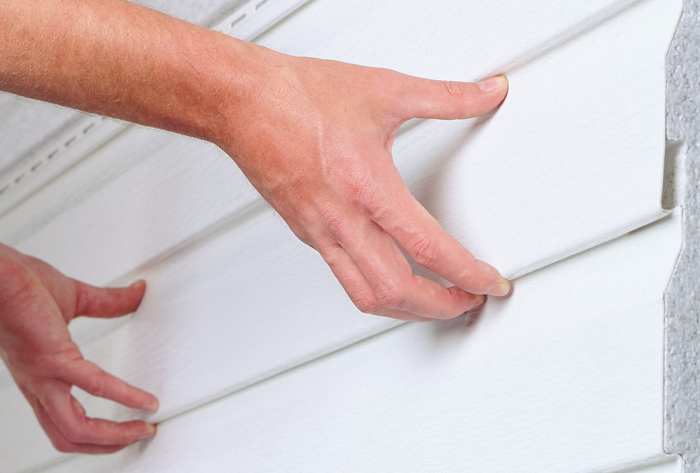
When installing insulated vinyl siding, it is crucial to properly prepare the exterior wall surface to ensure a successful and long-lasting installation. This involves gathering the necessary tools and materials, as well as taking the proper steps to ensure the wall is ready for the siding.
Tools and Materials Needed
- Vinyl siding panels
- Insulation boards
- Moisture barrier
- Utility knife
- Tape measure
- Level
- Hammer
- Nails or screws
- J-channel
- Trim pieces
Preparing the Exterior Wall Surface
Before installing insulated vinyl siding, it is important to prepare the exterior wall surface properly. Here is a step-by-step guide:
- Clean the wall surface thoroughly to remove any dirt, debris, or loose paint.
- Inspect the wall for any signs of damage or rot, and make any necessary repairs before proceeding.
- Install a moisture barrier to protect the wall from water damage. This will help prevent mold and mildew growth.
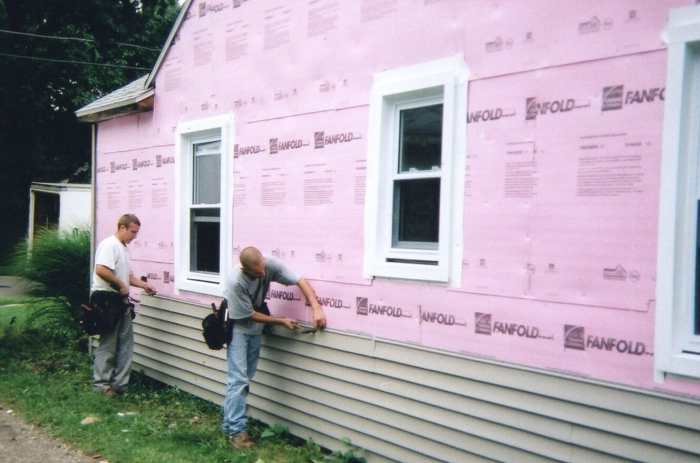
- Add insulation boards to improve the energy efficiency of your home and provide a flat surface for the siding installation.
- Install J-channel around windows, doors, and corners to create clean edges and secure the siding panels.
- Measure and cut the siding panels to fit the wall, ensuring a proper overlap for weather resistance.
- Begin installing the siding from the bottom up, making sure each panel is securely fastened and level.
- Finish the installation with trim pieces to create a polished look and seal any gaps.
Proper preparation of the exterior wall surface is essential for a successful insulated vinyl siding installation. It ensures durability, energy efficiency, and a professional finish.
Installation Process
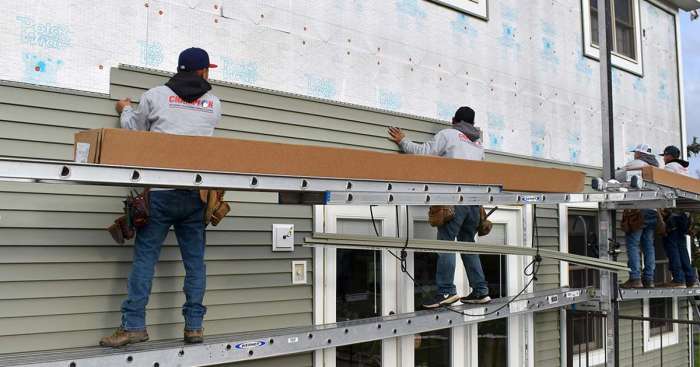
When it comes to installing insulated vinyl siding, there are several key steps to follow to ensure a successful outcome
Measuring and Cutting Siding Panels
To begin the installation process, it is essential to measure the area where the siding panels will be installed accurately. This ensures a precise fit and professional finish. Use a tape measure to determine the length and width of each panel needed, taking into account any corners or obstacles that may require additional cutting.When cutting the siding panels, always use a sharp utility knife or vinyl siding cutter to ensure clean and straight cuts.
Measure twice and cut once to avoid any unnecessary errors or wasted materials. Remember to wear appropriate safety gear, such as gloves and goggles, when handling cutting tools.
Securing Siding Panels to Exterior Wall
Once the siding panels are cut to the correct size, it is time to secure them to the exterior wall. Start by installing a starter strip at the bottom of the wall to provide a level base for the first row of siding panels.
Use nails or screws to fasten the starter strip securely in place.Next, begin installing the siding panels from the bottom up, overlapping each panel slightly to ensure a weatherproof seal. Use a level to ensure each panel is straight and plumb before securing it to the wall.
Nail or screw the panels into place, making sure to follow the manufacturer's guidelines for spacing and fastener placement.Continue working your way up the wall, making sure to trim panels as needed to fit around windows, doors, and other obstacles.
Pay close attention to the details, such as corner pieces and J-channels, to ensure a professional-looking finish.By following these steps and techniques for measuring, cutting, and securing insulated vinyl siding panels, you can achieve a durable and visually appealing exterior for your home.
Remember to take your time and double-check your work to ensure a high-quality installation that will stand the test of time.
Tips for a Successful Installation
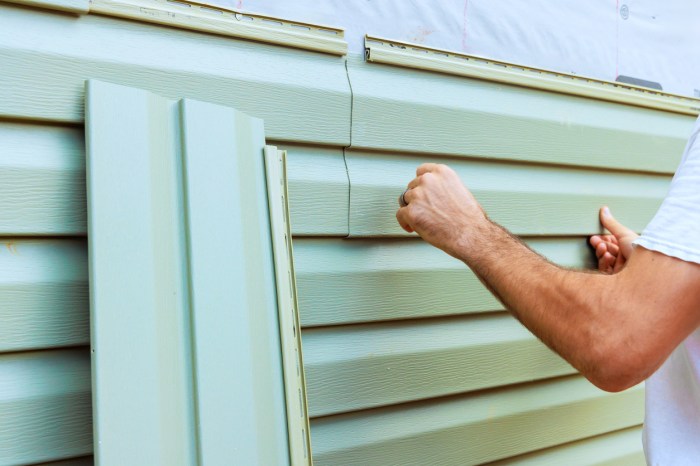
Ensuring a smooth and efficient installation process is crucial when installing insulated vinyl siding. Here are some best practices, recommendations, and common mistakes to avoid:
Proper Alignment and Spacing
- Use a level to ensure that each panel is installed straight and aligned correctly.
- Leave a small gap between panels to allow for expansion and contraction due to temperature changes.
- Follow manufacturer guidelines for proper spacing between panels to prevent buckling or warping.
Efficient Installation Practices
- Start from the bottom and work your way up to ensure water runs off properly.
- Secure panels tightly but not too tight to allow for movement.
- Cut panels accurately to fit around windows, doors, and corners for a clean finish.
Common Mistakes to Avoid
- Avoid overdriving nails which can cause panels to buckle or crack.
- Do not install panels too tightly together as it can lead to warping in extreme weather conditions.
- Neglecting to properly seal joints and corners can result in water leakage and damage to the structure.
Summary
In conclusion, the journey through insulated vinyl siding installation has provided a wealth of information and practical advice. From understanding the basics to mastering the finer details, this discussion serves as a valuable resource for anyone considering or undertaking such a project.
FAQ Summary
What are the key benefits of insulated vinyl siding?
Insulated vinyl siding offers improved energy efficiency, increased durability, and enhanced curb appeal for homes.
How do I prepare the exterior wall surface for insulated vinyl siding installation?
Start by cleaning the surface thoroughly, repairing any damage, and ensuring proper insulation and moisture barrier installation.
What are common mistakes to avoid during insulated vinyl siding installation?
Avoid improper measurements, inadequate securing of panels, and neglecting proper alignment and spacing.

