

Step into the world of custom vinyl siding installation where durability meets aesthetics in a seamless blend. Learn about the benefits, differences, and essential tips to transform your home's exterior.
Introduction to Custom Vinyl Siding Installation
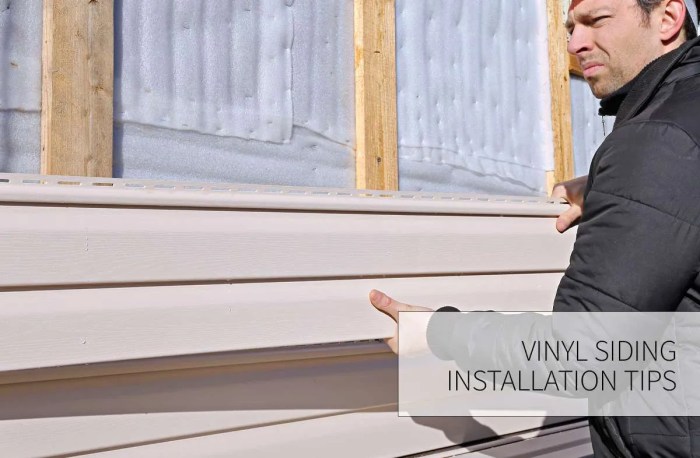
Custom vinyl siding is a specialized type of siding made from PVC resin that is designed to fit the unique dimensions of your home. It offers a range of benefits, including durability, low maintenance, and a wide variety of colors and styles to choose from.
Proper installation of custom vinyl siding is crucial for both the longevity and aesthetics of your home. A professional installation ensures that the siding is securely attached, properly sealed, and free of any defects that could lead to issues down the line.
Differences from Standard Siding Options
Unlike standard siding options such as wood or aluminum, custom vinyl siding is specifically tailored to the measurements of your home, offering a seamless and customized appearance. It is also known for its resistance to rot, insects, and harsh weather conditions, making it a popular choice for homeowners looking for a long-lasting and low-maintenance siding solution.
Planning for Custom Vinyl Siding Installation
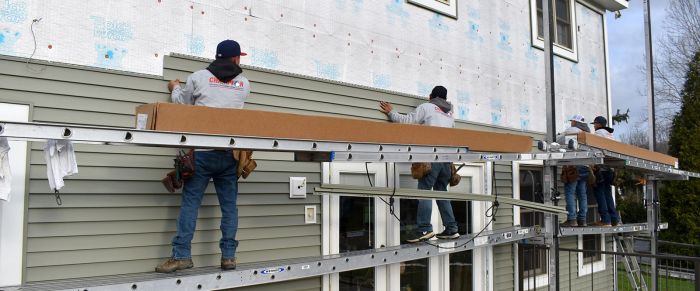
Before starting the custom vinyl siding installation process, homeowners should take some initial steps to ensure a smooth and successful project. This includes measuring the area accurately for custom fitting, choosing the right color and style for the home's exterior, and considering any necessary permits or regulations.
Measuring the Area Accurately
- Start by measuring the length and height of each wall where the vinyl siding will be installed.
- Take into account any doors, windows, or other obstacles that may require special cuts or adjustments.
- Double-check all measurements to ensure accuracy and avoid any potential errors during installation.
Choosing the Right Color and Style
- Consider the existing color scheme of your home's exterior and choose a vinyl siding color that complements it.
- Take into account the architectural style of your home when selecting a siding style to ensure a cohesive look.
- Consult with a professional or use online visualization tools to see how different colors and styles will look on your home before making a final decision.
Permits and Regulations
- Check with your local building department to see if any permits are required for vinyl siding installation in your area.
- Ensure that the installation process complies with any local regulations or homeowner's association rules to avoid any potential issues down the line.
- Consider hiring a professional contractor who is familiar with local codes and regulations to ensure a compliant installation.
Hiring a Professional vs. DIY Installation
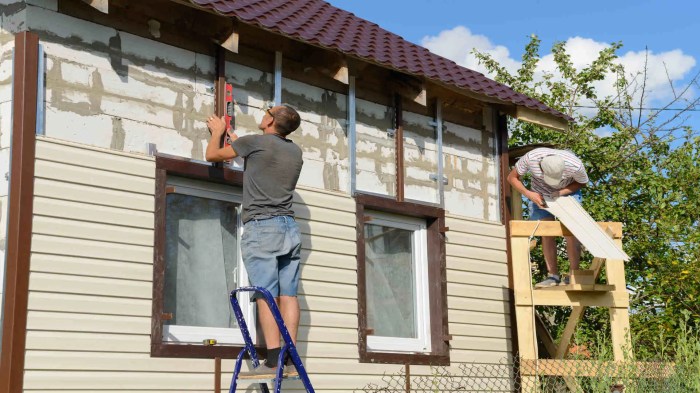
When it comes to installing custom vinyl siding, homeowners often face the decision of whether to hire a professional installer or attempt a do-it-yourself (DIY) approach. Each option has its own advantages and disadvantages, which should be carefully considered before making a decision.
Advantages and Disadvantages of Hiring a Professional Installer
- Advantages:
- Professional expertise: Experienced installers have the necessary skills and knowledge to ensure a high-quality installation.
- Efficiency: Professionals can complete the job in a timely manner, saving homeowners time and effort.
- Warranty: Many professional installers offer warranties on their work, providing peace of mind to homeowners.
- Disadvantages:
- Cost: Hiring a professional installer can be more expensive than doing it yourself.
- Lack of control: Homeowners may have less control over the installation process when relying on a professional.
- Dependence: Being dependent on a professional may result in delays if scheduling conflicts arise.
Skills and Tools Required for a DIY Vinyl Siding Installation
- Skills:
- Basic carpentry skills: Ability to measure, cut, and install siding accurately.
- Understanding of building codes: Knowledge of local regulations and requirements for proper installation.
- Patience and attention to detail: Ensuring each piece of siding is properly aligned and secured.
- Tools:
- Tape measure, level, and chalk line for accurate measurements and alignment.
- Siding cutter or circular saw for cutting the siding to fit.
- Hammer, nails, and screwdriver for securing the siding in place.
- Tape measure, level, and chalk line for accurate measurements and alignment
Tips for Homeowners Considering Installing Custom Vinyl Siding Themselves
- Do thorough research: Familiarize yourself with the installation process and gather all necessary materials before starting.
- Follow manufacturer instructions: Ensure you understand and follow the specific guidelines provided by the siding manufacturer.
- Start small: Begin with a small section of the house to practice before tackling larger areas.
- Seek help if needed: Don't hesitate to ask for assistance from friends or family members if the job becomes too challenging.
- Take your time: Rushing through the installation can lead to mistakes, so work at a steady pace to ensure a quality outcome.
Steps in Custom Vinyl Siding Installation
Installing custom vinyl siding involves a series of steps to ensure a proper and seamless finish. From preparing the surface to cutting and fitting the siding, each step is crucial in achieving a successful installation.
Preparation of the Surface and Necessary Equipment
Before starting the installation process, it is essential to prepare the surface properly. This involves cleaning the existing exterior, removing any debris, and ensuring a smooth and even surface for the siding to adhere to. Additionally, gather all the necessary equipment such as a tape measure, utility knife, siding nails, hammer, and a saw for cutting the siding to size.
Cutting and Fitting the Siding for a Seamless Finish
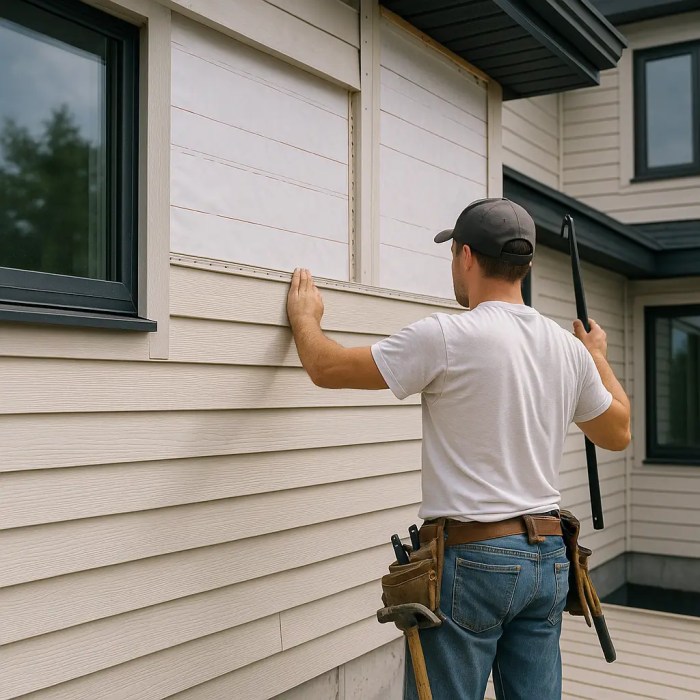
Once the surface is prepped and the equipment is ready, the next step is to cut and fit the vinyl siding. Start by measuring the length of the wall and cutting the siding panels accordingly. Use a utility knife or a specialized siding tool to make precise cuts.
Ensure that each panel is properly aligned and interlocked with the adjacent panels to create a seamless look. Pay attention to corners and edges, ensuring they are properly trimmed and fitted for a professional finish.
Maintenance and Care for Custom Vinyl Siding
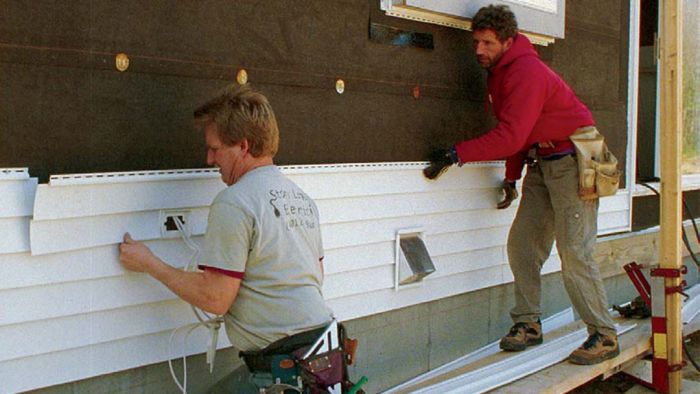
Proper maintenance is essential to ensure that your custom vinyl siding remains in top condition for years to come. By following a few simple steps, you can keep your siding looking new and avoid common issues like warping or fading.
Cleaning Methods and Frequency
- Regularly clean your vinyl siding with a mixture of water and mild detergent to remove dirt, dust, and grime.
- Use a soft cloth or a soft-bristled brush to scrub the siding gently, avoiding abrasive materials that could cause scratches.
- Rinse the siding thoroughly with clean water to remove any soap residue.
- Consider using a pressure washer on a low setting for tougher stains, but be cautious not to damage the siding with high pressure.
- Plan to clean your vinyl siding at least once a year to maintain its appearance and prolong its lifespan.
Addressing Common Issues
- To prevent warping, avoid placing grills or other heat sources too close to the siding, as excessive heat can cause the vinyl to distort.
- If you notice fading on your vinyl siding, consider using a vinyl-safe paint to touch up the affected areas and restore the color.
- Inspect your siding regularly for any signs of damage or wear, and address issues promptly to prevent further deterioration.
- Consider applying a UV protectant coating to your vinyl siding to help prevent fading and maintain its vibrant color over time.
Summary
As we wrap up our exploration of custom vinyl siding installation, remember that choosing the right materials and installation approach can elevate your home's curb appeal and longevity. Dive into this transformative journey today!
User Queries
What are the benefits of custom vinyl siding?
Custom vinyl siding offers durability, low maintenance, and a wide range of style options to enhance your home's exterior.
Is DIY vinyl siding installation recommended?
While it can save money, hiring a professional ensures proper installation and expertise for a seamless finish.
How do I maintain custom vinyl siding?
Regular cleaning with a gentle detergent and water, along with periodic inspections for issues like warping, can keep your siding looking fresh.

