

Thermal insulated siding is a key element in modern construction, revolutionizing the way buildings retain heat and energy efficiency. This article delves into the intricacies of thermal insulated siding, shedding light on its importance and impact on structures.
As we explore the concept further, we uncover the various materials used, benefits reaped, installation processes, and maintenance practices associated with thermal insulated siding.
Introduction to Thermal Insulated Siding
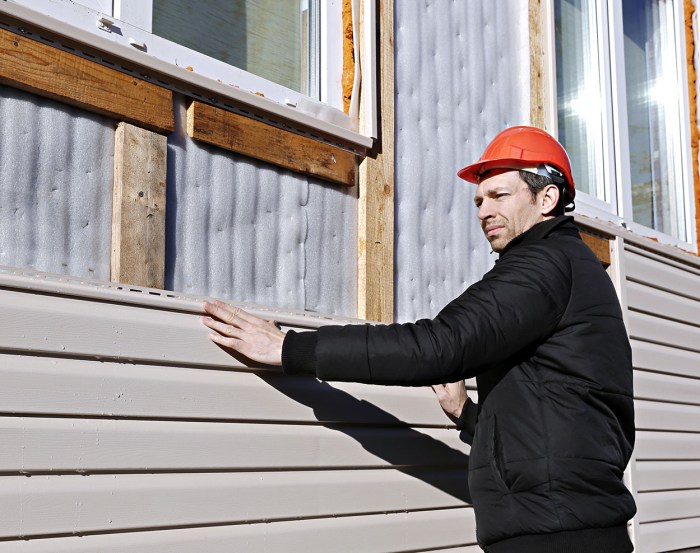
Thermal insulated siding is a type of cladding material used in construction to enhance the energy efficiency of buildings. It is designed to reduce heat loss during the winter and heat gain during the summer, ultimately lowering energy consumption and costs.
Materials commonly used in thermal insulated siding
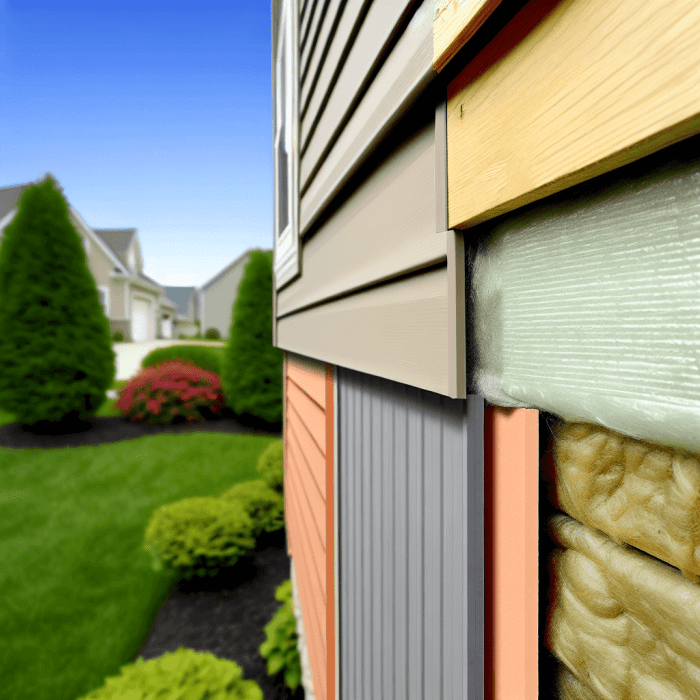
- Vinyl: Vinyl siding with integrated foam insulation is a popular choice for thermal insulation due to its durability and low maintenance requirements.
- Fiber Cement: Fiber cement siding offers excellent thermal performance and is resistant to fire, insects, and rot, making it a sustainable option for energy-efficient buildings.
- Wood: Wood siding can also be insulated to improve thermal efficiency, providing a natural and traditional aesthetic to the exterior of a structure.
Benefits of Thermal Insulated Siding
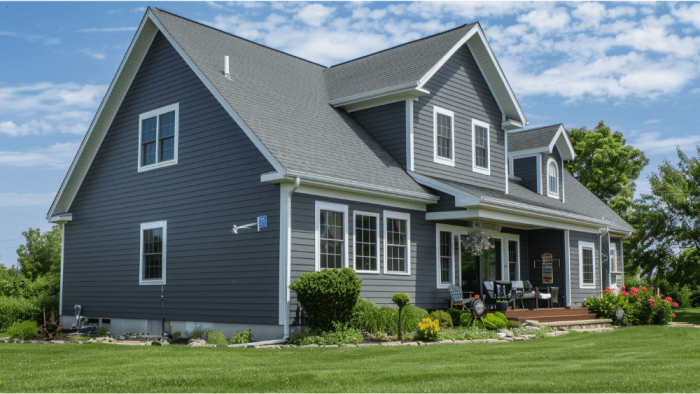
Thermal insulated siding offers a range of benefits for both residential and commercial buildings, providing energy efficiency and comfort.
Energy Savings
Structures with thermal insulated siding experience significant energy savings compared to those without. The added insulation helps regulate indoor temperatures, reducing the need for constant heating or cooling, which ultimately leads to lower utility bills.
Improved Indoor Comfort
Thermal insulated siding contributes to a more comfortable indoor environment by maintaining a consistent temperature throughout the building. This helps to eliminate drafts, hot spots, and cold areas, creating a cozy and welcoming space for occupants.
Installation of Thermal Insulated Siding
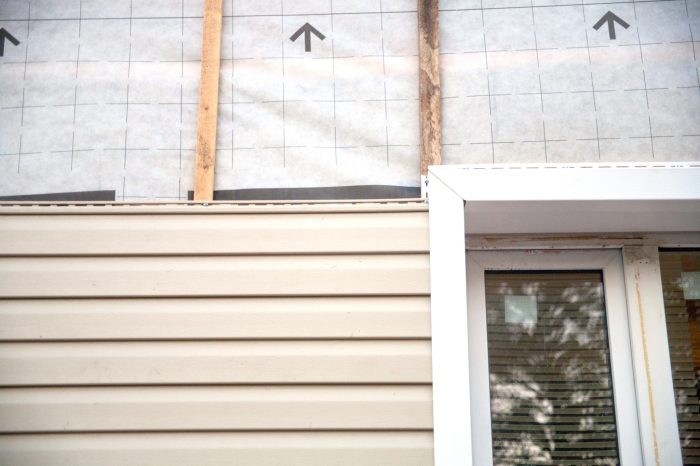
Installing thermal insulated siding on a building is a crucial step in enhancing energy efficiency and improving the overall insulation of the structure. Proper installation techniques are essential to ensure the siding functions effectively. Below are the step-by-step instructions for installing thermal insulated siding and common challenges faced during the process along with solutions.
Step-by-Step Installation Techniques
- Prepare the surface: Ensure the exterior surface of the building is clean, dry, and free of any debris or dust.
- Measure and cut the siding: Accurately measure the dimensions of the walls and cut the siding panels accordingly to fit perfectly.
- Install the starter strip: Begin by installing the starter strip at the bottom of the wall to provide a base for the siding panels.
- Attach the siding panels: Secure the siding panels to the wall using nails or screws, making sure they are properly aligned and interlocked.
- Finish with trim and accessories: Complete the installation by adding trim pieces, corner posts, and other accessories for a polished look.
Common Challenges and Solutions
- Uneven surfaces: If the building has uneven surfaces, use leveling materials or techniques to create a smooth base for the siding.
- Poor insulation: In cases where the existing insulation is inadequate, consider adding additional insulation layers before installing the siding.
- Moisture issues: Address any moisture problems or leaks in the walls before installing the siding to prevent damage and mold growth.
- Incorrect installation: Ensure that each panel is installed according to the manufacturer's guidelines to avoid issues with durability and performance.
Maintenance and Care of Thermal Insulated Siding
Proper maintenance is key to ensuring the longevity and efficiency of thermal insulated siding. By following a regular maintenance schedule, you can keep your siding in optimal condition for years to come.
Maintenance Schedule for Thermal Insulated Siding
- Inspect the siding at least once a year to check for any signs of damage or wear.
- Clean the siding twice a year, in the spring and fall, to remove dirt, debris, and mold.
- Check for gaps or cracks in the siding and seal them to prevent moisture intrusion.
- Trim any overhanging branches or vegetation that could potentially damage the siding.
Cleaning Methods and Products
When cleaning thermal insulated siding, use a mild detergent and water solution along with a soft-bristled brush or cloth. Avoid harsh chemicals or abrasive materials that could damage the siding's finish. Rinse thoroughly with clean water after cleaning to remove any residue.
Identifying and Addressing Damage
- Look for signs of cracking, warping, or discoloration on the siding, which may indicate underlying damage.
- If you notice any damage, address it promptly by repairing or replacing the affected sections to prevent further deterioration.
- Consult a professional if you are unsure about how to properly repair or replace damaged siding.
Last Word
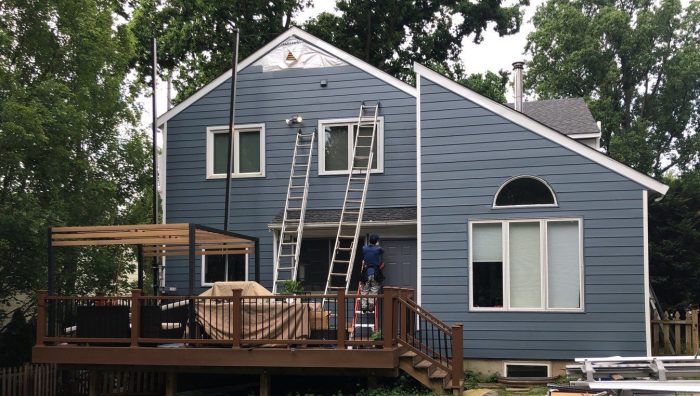
In conclusion, thermal insulated siding emerges as a game-changer in the realm of construction, offering unparalleled energy efficiency and comfort. By understanding its nuances, one can truly appreciate the value it brings to homes and commercial buildings alike.
Question & Answer Hub
What are the benefits of thermal insulated siding?
Thermal insulated siding provides improved energy efficiency, cost savings on heating and cooling, and a more comfortable indoor environment.
How is thermal insulated siding installed?
Thermal insulated siding is installed by following a step-by-step process that includes preparing the surface, measuring and cutting the siding, and securing it properly to the building.
What maintenance is required for thermal insulated siding?
Regular cleaning and inspection are essential for maintaining thermal insulated siding. It's recommended to follow a maintenance schedule and address any damage promptly.

